Tummy Tuck
Home/Face & Body Procedures/Tummy Tuck
Home/Face & Body Procedures/Tummy Tuck
Having children is one of the greatest blessings we can experience but pregnancies, or significant weight fluctuation, can leave women with loose and stretched skin with poor contours around the abdomen and hips. These changes can leave women feeling older, undesirable and depressed. No amount of exercise and good nutrition is going to completely correct these changes in the body. In these instances, a tummy tuck may be indicated to remove stretch marks and loose skin, tighten the separated muscles of the abdominal wall, revise C-section scars as needed, and give you a more youthful, rejuvenated tummy. This procedure can be performed on its own, or as a part of a more comprehensive mommy makeover.
An abdominoplasty removes the stretched, excess skin of the lower abdomen, tightens the abdominal wall and redrapes the skin of the upper abdomen to give a more youthful, rejuvenated abdomen. The skin of the abdomen often becomes loose and stretched out after pregnancy and weight loss. These changes will not respond to exercise alone and variable amounts of fat may accumulate and become resistant to diet and exercise. An abdominoplasty procedure may be indicated in these situations and serves two purposes. In some people, a protruding abdomen that is out of proportion to the rest of the body may be re-contoured to give balance to the torso as the flattening effect comes from the tightening of the abdominal wall. Secondly, the excess skin that is removed allows for the remaining skin to be redraped over the abdomen, giving a youthful, rejuvenated appearance. Scars from prior surgical procedures may limit the results, whereas other abdominal scars, such as some stretch marks and C-section scars may be removed all together. Women planning future pregnancies or significant weight loss would be best served by postponing an abdominoplasty.
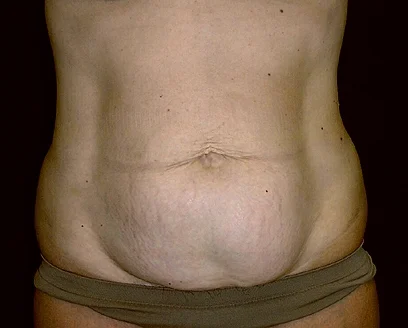
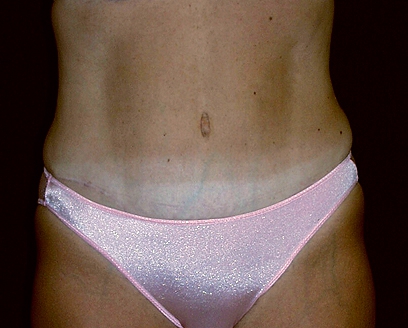
The benefits of a tummy tuck procedure is to rejuvenate the abdomen, particularly after pregnancy or significant weight loss. The benefits of a tummy tuck are the extent to which it addresses the loose skin as well as the weakness of the abdominal wall. Extra skin from the lower abdomen is removed and the abdominal wall is tightened. The remaining skin is then draped over the entire abdomen giving a more youthful and rejuvenated appearance to the abdomen.
A tummy tuck is a rejuvenating procedure to give a more youthful appearance to the abdomen by removing excess skin and tightening the abdominal wall. Liposuction, on the other hand, simply thins the fat layer; therefore, it is a reduction technique alone. It will not tighten the abdominal wall and will not remove any laxed skin. In fact, liposuction requires good quality skin that will adequately tighten after the fat has been thinned.
The most appropriate time for tummy tuck surgery will be different for every individual. In general, Dr. Parva advises patients to be at or near their normal weight to get the best possible results from their procedure. New mothers should wait several months after childbirth to ensure their body has had enough time to heal. If breastfeeding, they should wait an adequate amount of time to schedule their tummy tuck surgery. Finally, Dr. Parva recommends patients considering more children in the future to wait until they have completed their family before undergoing the tummy tuck procedure.
In the pre-op holding area, the skin of the abdomen is marked by our board certified plastic surgeon, Dr. Parva. Markings help direct the surgical plan as a road map for removal of the excess skin. In the operating room there are three key factors in performing the tummy tuck procedure:
A small drain is placed under the skin to prevent fluid build-up and will be removed in about one week. A bladder catheter placed at the start of the surgery is left in place over night to prevent possible distension (swelling) of the bladder after surgery.
You will be asked to stay in a flexed position for the first week to reduce tension on the skin closure. It is recommended that you do not stay in bed but are mobile and walking the very next day after surgery.